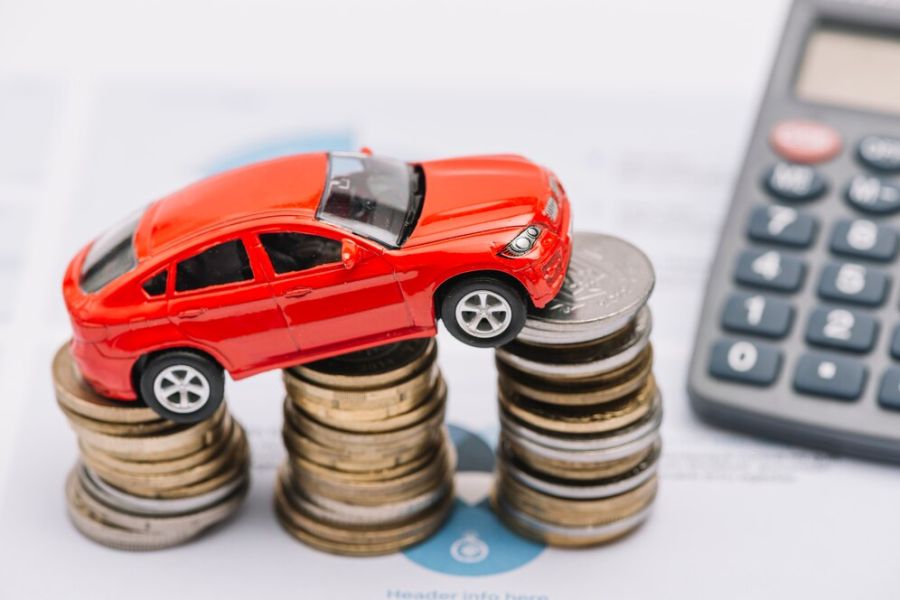
How to work out the main costs of running a car
Owning a car is convenient, but it also takes careful planning of the money you will spend on it. Many people underestimate the costs, which leads to financial surprises. To avoid this, it is important to know how to work out all the main components that make up your yearly costs.
Fuel, vignette and other regular costs
Without doubt, the biggest running cost of a car is fuel. How much you use depends on your mileage, your car's consumption and fuel prices. For a more precise calculation, multiply your car's average consumption (for example 7 litres per 100 km) by the average fuel price and work it out for the whole year.
Another important item is the vignette, needed for driving on the national road network. It comes in different versions: weekly, monthly or annual. To avoid fines, keep an eye on its expiry date.
Also add parking fees if you live in a paid parking zone. These are extra, but often significant, costs you need to plan for.
Insurance, tax and MOT: mandatory commitments
As a car owner, you have several mandatory payments that cannot be avoided. Here are the three key costs to plan for:
1. Third-party liability insurance
It is mandatory and covers damage caused to third parties. Different insurers offer different terms, so it is worth comparing offers. For a quick and easy estimate you can use a third-party liability calculator, such as the one on the Groupama Insurance website.
2. Vehicle tax
The amount depends on several criteria: the car's age, power and emission class. Check the local rates, as the tax rate varies between municipalit
3. Technical inspection (MOT): a yearly cost needed to certify that the car is roadworthy. If you fail the inspection, you cannot legally drive the car.
Paying these obligations on time keeps your car on the road without problems and protects you from unwanted penalties.
Maintenance and repairs: hidden but significant costs
Even the most reliable car needs regular maintenance and the occasional repair. The better you look after your car, the fewer problems you will have. The main items to include in your budget are:
- oil and filter changes: a must every 10,000 – 15,000 km;
- tyres: seasonal changes or buying new tyres can be a serious expense;
- brakes: pads, discs and fluids, which need to be checked and replaced regularly;
- suspension and running gear: wear of shock absorbers, joints and other components leads to repairs;
- battery: usually replaced every 3-5 years, depending on use.
Don't forget that unexpected repairs can be a significant expense. Keeping a reserve budget for such situations will save you a lot of headaches.
Planning your car costs gives you control over your finances and peace of mind on the road. With the right approach you will avoid unpleasant surprises and keep your car in excellent condition.